The Story
Made by hand in Murtosa
The soul of Comur still lives in the handwork. As one Murtosa veteran recalled: "The eels were prepared by hand, the sardines were prepared by hand, the sardine spines were removed by hand, the trout were filleted by hand, the octopus was prepared by hand..." The sentence reads almost like a litany — and it remains true to the spirit of the factory today.
All the fish that comes through Comur is processed by people who know the rhythm, resistance and delicacy of each species. Machines can repeat, but they cannot judge, balance or honor the fish in the same way. That knowledge, carried by wise hands, is what gives the production its soul.
Around 2 million tins leave the factory each year and travel exclusively to the brand's stores in Portugal before continuing out into the world — each one a small testament to patience, craft and continuity.
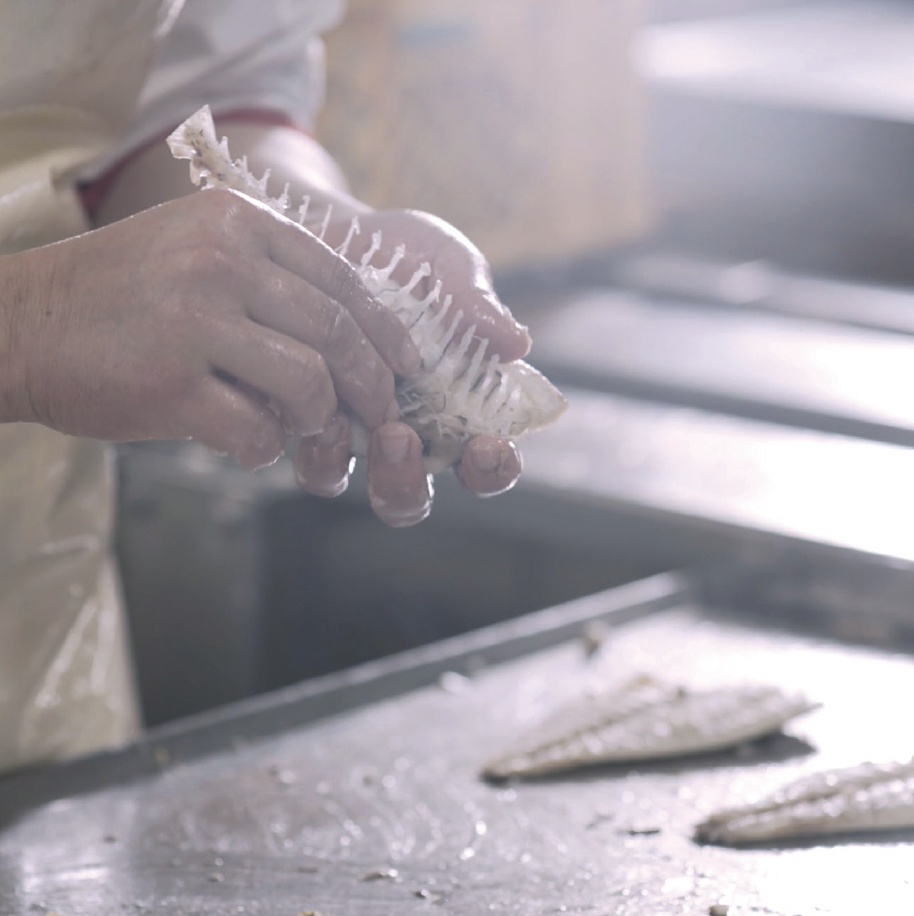
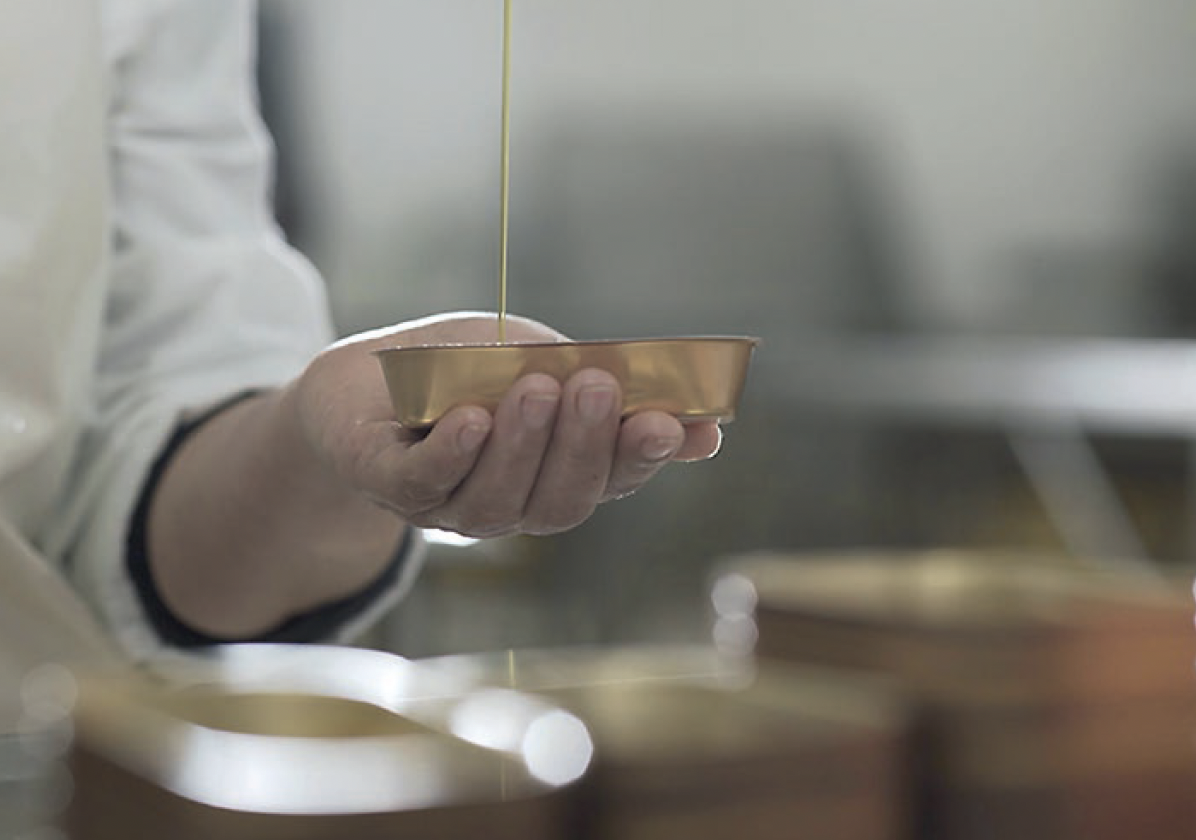
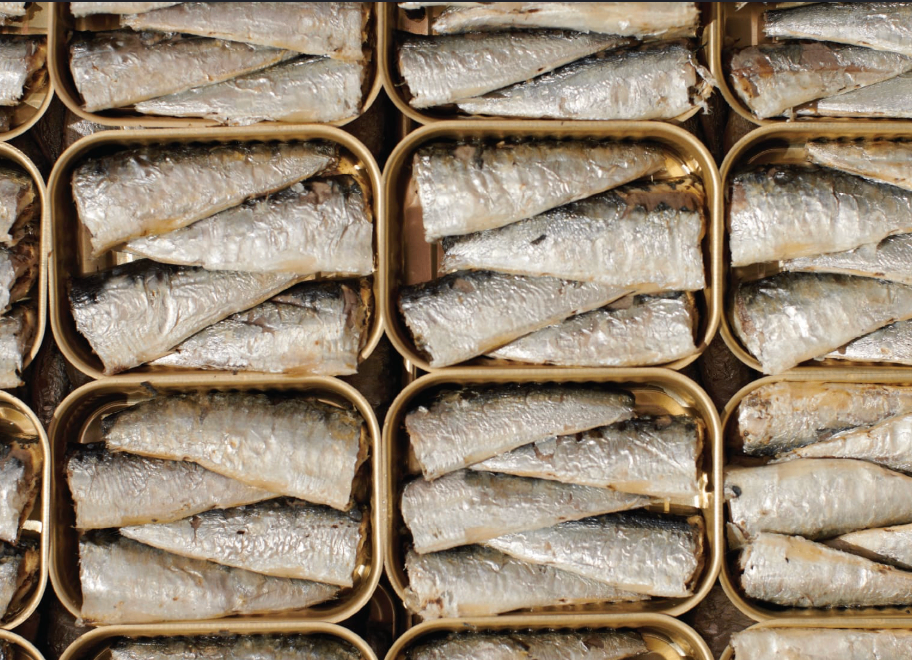
When our factory began its activity, in 1942, the production methods were artisanal because that was the standard of the canning industry in Portugal. Today our factory maintains exactly the same production methods, but for different reasons: it is by hand that all fish is delicately prepared by those who inherited a legacy of knowledge from generations. Keeping that legacy is the key to success. It is this differentiation that allows us to offer a preserve of extraordinary quality and, consequently, to fairly remunerate and ensure the continuity of the professions of fisherman and master canners who every day devote themselves to their art.
Our preserves are like a recipe inside a can. Each fish is properly prepared and subsequently seasoned, roasted, boiled, or grilled, using only Portuguese olive oil. This preparation is 100% artisanal and human. We produce more than 30 varieties of preserves, some of which are Comur exclusives. The magic lies in the possibility of delighting in true delicacies of Portuguese gastronomy, wherever you are. This is what makes our product special: each fish is delicately prepared by the hands of our craftswomen, with the canning knowledge of generations.
- Early 1800s
The science of preservation changes everything
Nicolas Appert proves that food can be preserved by heating it in sealed containers, and Peter Durand later patents the metal can that will transform long-term food storage.
- Mid-1800s
Portugal embraces the canning craft
With a long Atlantic coast, abundant fish and deep fishing traditions, Portugal becomes ideal ground for a canning industry that grows quickly along the shoreline.
- 1884–1912
Factories multiply along the coast
Records show 18 canneries in 1884, 66 in 1886 and 116 by 1912, confirming how rapidly the industry takes root in Portugal.
- 1914–1925
War years drive explosive growth
During and after the First World War, Portuguese preserves feed troops and distant markets. By 1925, the country counts about 400 canneries.
- 1930–1940
Hard years sharpen resilience
After the wars, fewer markets, less fish and stronger competition reshape the sector. In Murtosa, necessity inspires a more local and human beginning.
- 1942
Comur is born in Murtosa
On 7 November, Comur — Conserveira da Murtosa — is founded to organize the sale of pickled eels prepared by the women of Murtosa, turning survival into enterprise.

- Late 20th century
Portuguese preserves move upmarket
As low-price competition fades, Portuguese canned fish earns renewed respect for quality, authenticity and craftsmanship rather than volume alone.
- 2016
Comur joins O Valor do Tempo
On 30 September, the historic cannery becomes part of the group, opening a new era for the Portuguese sardine and for the storytelling power of the tin.
- 2016
The first store opens at Rossio
On 3 November, The Fantastic World of the Portuguese Sardine opens in Praça do Rossio, Lisbon, introducing the now-iconic circus universe.
- 2017–2022
The collection travels across Portugal
Stores open in Porto, Faro, Évora, Coimbra, Aveiro, Chiado, Funchal, Ponta Delgada, Óbidos, Sintra, Cascais and Vila Nova de Gaia — more than twenty in all.
- 2022
International retail recognition
Comur becomes the first Portuguese brand ever to win at the Creative Retail Awards in London, proving that heritage can be staged with global ambition.
- 2023
The sardine reaches Times Square
On 18 August, the first international store opens in New York City, carrying a proudly Portuguese story into one of the world's busiest crossroads.
- 2024
Shortlisted beside global giants
The Times Square store is named a finalist at the Creative Retail Awards, sharing the stage with names such as Nike and Disney.
- 2026
A gold tin wins the world
On 6 May, the Ouro Português tin wins the DIELINE Award in New York, a striking symbol of how Portuguese canned fish now stands for excellence in both product and design.
How the Portuguese canning story began
In the early 19th century, French inventor Nicolas Appert discovered the principle of preserving food by heating it inside sealed glass containers. Englishman Peter Durand advanced the idea by patenting a metal casing that extended shelf life even further. Together, these breakthroughs gave birth to the modern canning industry.
Portugal was perfectly placed to embrace it. A long Atlantic coast, abundant fish and centuries of fishing knowledge made the country an ideal home for preserves. The first Portuguese fish canneries appeared in the middle of the 19th century and multiplied quickly: records show 18 in 1884, 66 in 1886 and 116 by 1912.
During the First World War, the industry flourished as factories supplied food for troops and distant markets. By 1925, Portugal had around 400 canneries. Later, as war markets disappeared and cheaper competition arrived, many factories faded. Yet that long cycle of rise, contraction and reinvention ultimately made one thing clear: Portuguese canned fish would endure by standing for quality.
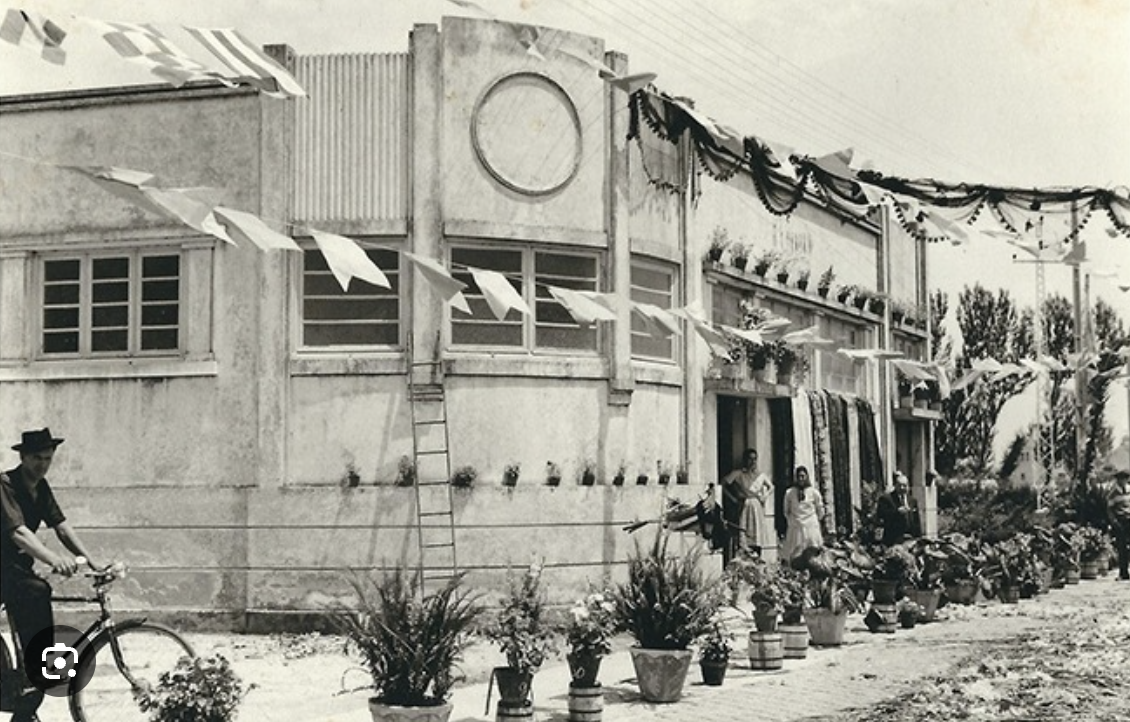
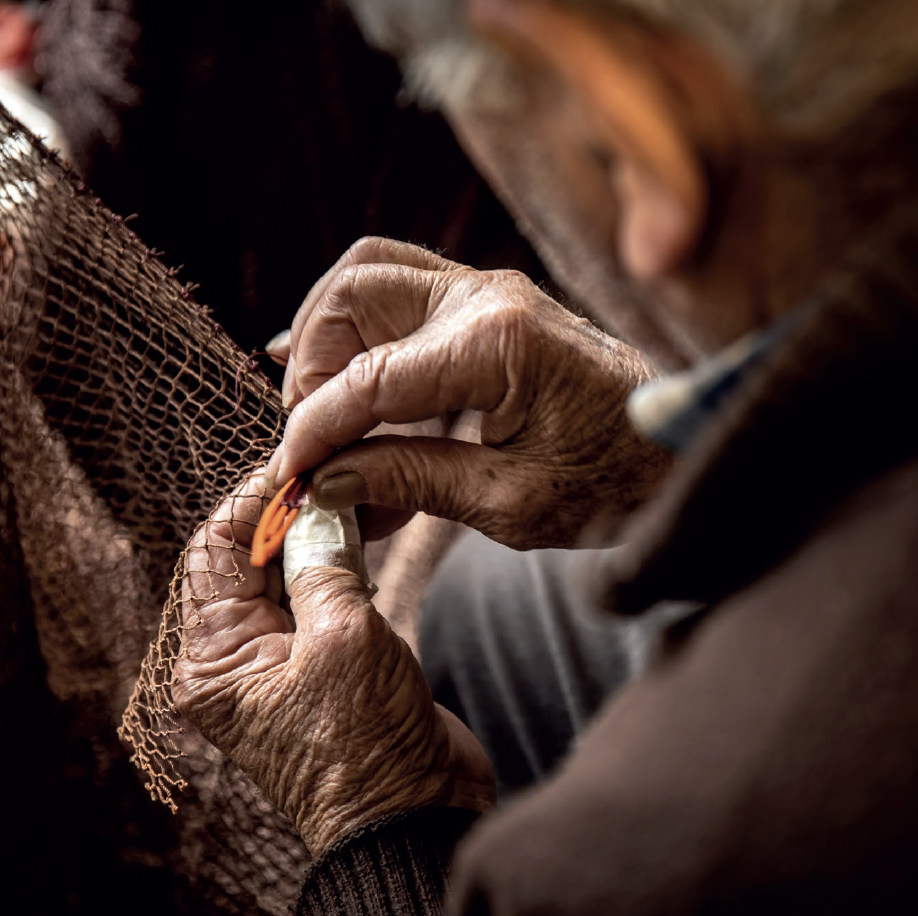
The women of Murtosa and the birth of Comur
At a time when women were expected to remain within the orbit of the home, the men went out to sea and into the Aveiro Lagoon, always at the mercy of weather, waters and uncertain catches. In the 1940s, with financial hardship intensified by the Second World War, the women of Murtosa were driven by necessity to create opportunity from what the Lagoon offered.
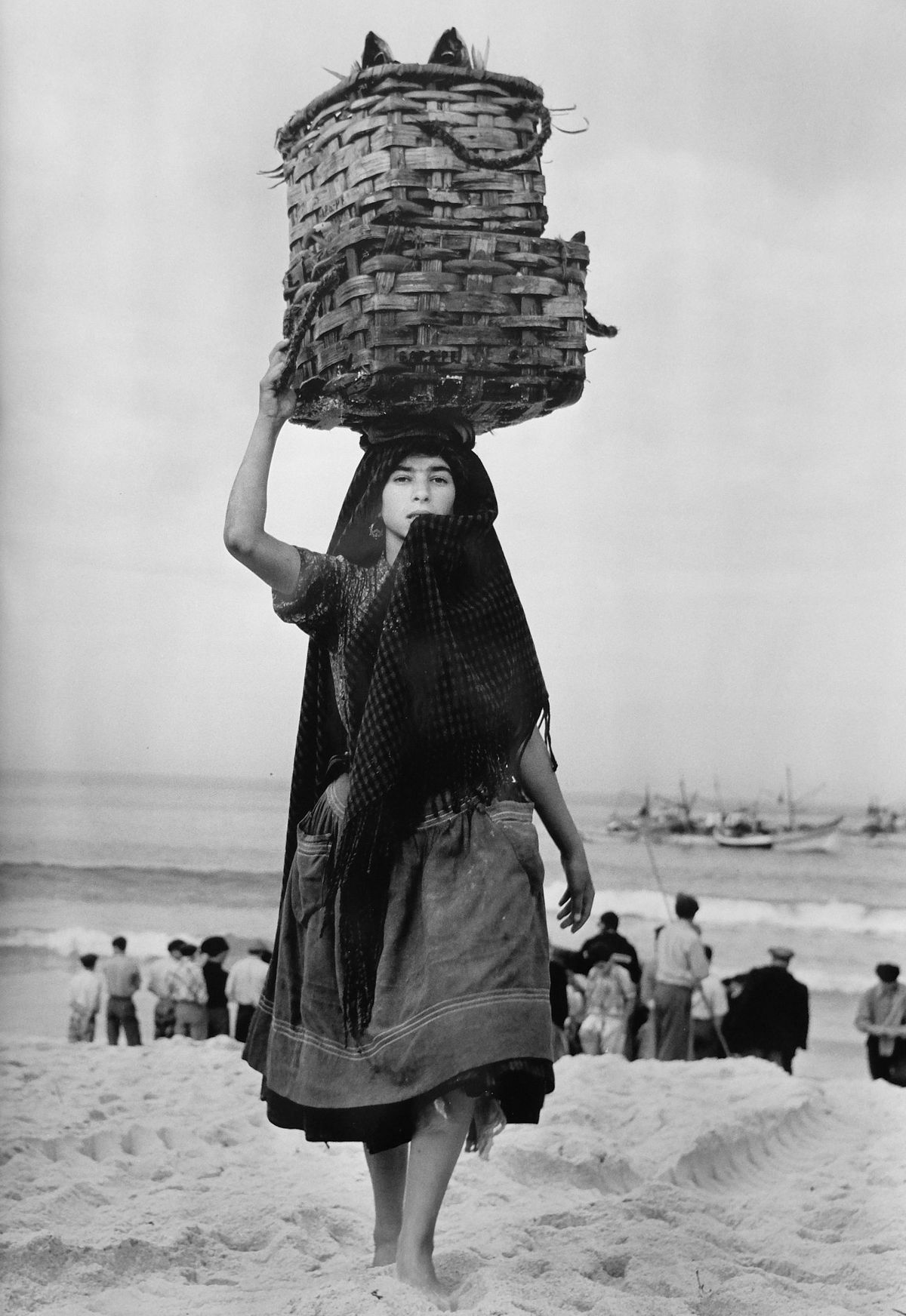
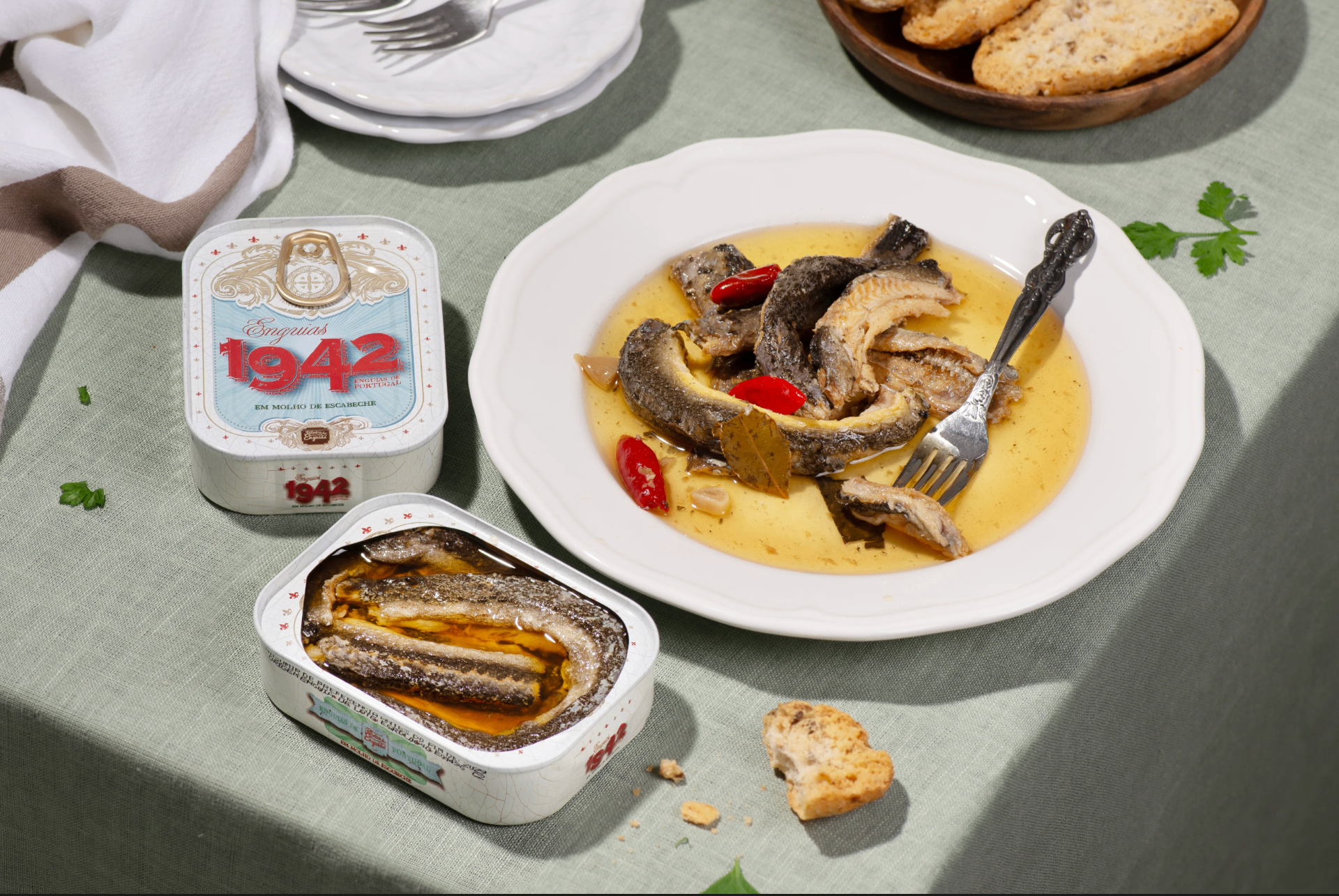
In rainy winters, the Lagoon filled with eels. The women fried them and sold them at local fairs, especially the St Matthew's Fair in Viseu, one of the region's most important gatherings. Soon they organized themselves into a small production group, adding a vinegar sauce that preserved the delicacy for longer and storing the fish in wooden barrels so it could travel farther and help feed troops.
Comur was born precisely to organize and strengthen that trade. Founded on 7 November 1942, it emerged from bravery, scarcity and communal will. What began with pickled eels would, over decades, grow into a house that now presents around 30 varieties of canned goods to the world while paying homage to its origins.
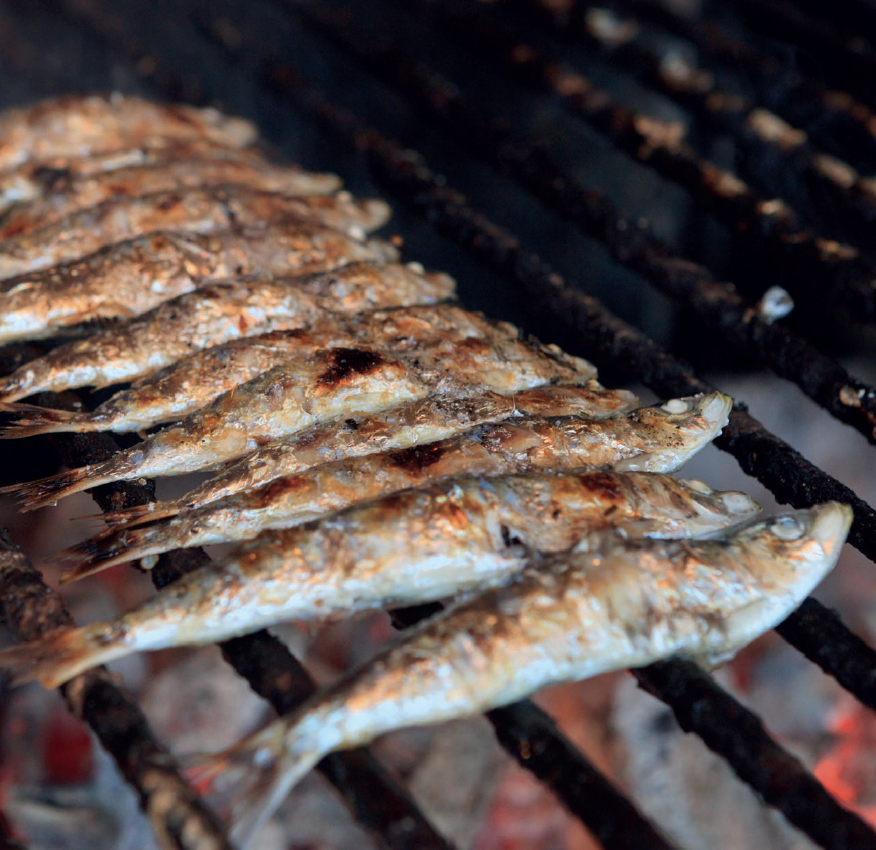
Why the sardine became Portugal's great edible icon
Records stretching back thousands of years show sardines being caught in Sardinia, which gave the fish its name. In winter they spawn in deeper waters, then move toward shallower waters in summer, travelling in compact shoals whose synchronized motion protects them from predators.
Sardines thrive best in temperate waters between 13°C and 20°C. The sub-species prized on the Atlantic coast is the pilchardus sardine — the Portuguese sardine — known for its firm white flesh and exceptional flavor. Portugal's coastline made it inevitable that the sardine would become one of the country's most loved foods, fresh or tinned.
Its nutritional richness has only strengthened that place. Sardines are rich in Omega-3 oils, protein, Vitamin D, Vitamin B12 and phosphorus. They are also a notable source of calcium, concentrated in the spine, which is why canned sardines are so often celebrated as both practical and deeply nourishing.
Roasted over coals at a summer table, preserved simply in olive oil, brightened with lemon, deepened with tomato or reimagined in elegant fillets, the sardine is a queen of versatility. At Comur, it remains one of Portugal's finest calling cards to the world.
A tin for every year
At Comur, the product and the calendar became one. The collection of year tins turns history into something intimate: a birthday, an anniversary, a memory, a family milestone — each one given form in a label.
It is a simple idea with unusual emotional power: not just canned fish, but a beautifully wrapped date from the story of Portugal.